
Top Foundation Repair Products for Restoring Structural Integrity
Explore essential tools and materials designed to reinforce and repair foundations, ensuring safety and durability.
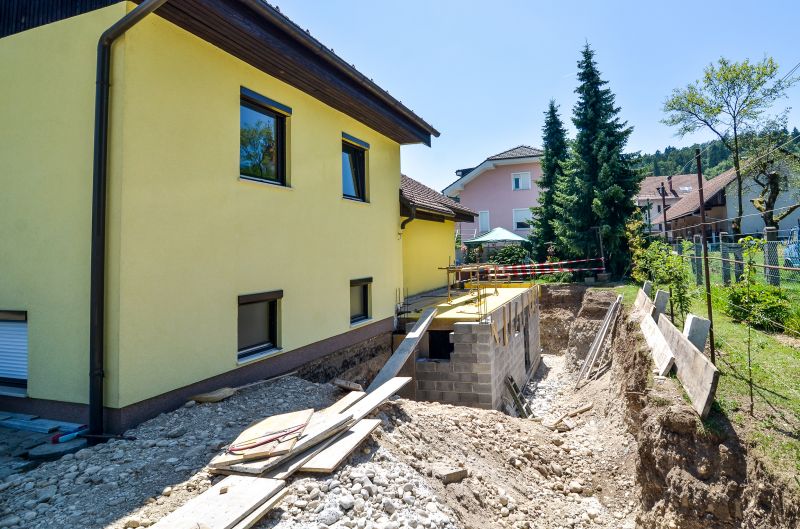 Foundation repairs are essential for maintaining the structural integrity and safety of a building. When issues such as cracking, settling, or shifting occur, addressing them promptly can prevent further damage and costly repairs down the line. Various products are designed to stabilize and reinforce foundations, each suited to different types of issues and soil conditions. From temporary fixes to long-term solutions, understanding the options available can help homeowners and contractors make informed decisions.
Top Overall Option
Hydraulic Push Piers System
Hydraulic push piers are widely used for underpinning and stabilizing foundations. They are driven into stable soil layers beneath the foundation, providing support and preventing further settling. This system is adaptable to various foundation types and can be installed with minimal disruption. When properly installed by professionals, hydraulic push piers can offer a durable solution for foundation stabilization.
Types of Products For Foundation Repairs
Carbon Fiber Reinforcement Strips
Used to reinforce cracked concrete and stabilize foundation walls, these strips are bonded to the surface for added strength.
Epoxy Injection Kits
Designed to fill and seal cracks in concrete, restoring structural integrity and preventing water intrusion.
Underpinning Piles and Piers
Supports and stabilizes sinking foundations by transferring load to deeper, more stable soil layers.
Helical Piers
Rotated into the ground to lift and stabilize foundations, suitable for various soil conditions.
Mudjacking and Slab Jacking Materials
Use of grout or foam to lift and level sunken slabs or concrete sections.
Soil Stabilization Products
Materials that improve soil bearing capacity and reduce shifting or settling.
Foundation Repair Anchors
Helical or other anchors installed into the soil to provide additional lateral support for basement walls.
Waterproofing Membranes
Applied to foundation surfaces to prevent water infiltration and reduce soil erosion around the foundation.
Grout and Sealants
Filling voids and sealing cracks to prevent water and pest intrusion.
Soil Stabilizers
Chemical solutions that bind soil particles, reducing movement and shifting.
Driveable Piles
Long, slender supports driven into the ground to provide additional foundation support.
Concrete Patching and Repair Products
Materials for restoring damaged or cracked concrete surfaces of foundations.
Foundation Ventilation and Drainage Systems
Systems designed to improve moisture control and reduce hydrostatic pressure around foundations.
Anchor Bolts and Brackets
Hardware used to secure framing and structural elements to the foundation for added stability.
Polyurethane Foam Injection Systems
Used for lifting and stabilizing settled slabs through foam injections.
Popular Choices
A commonly selected method for underpinning foundations and preventing further settlement.
Effective for stabilizing basement and foundation walls with cracks.
Widely used for sealing cracks and restoring concrete integrity.
Popular for improving soil bearing capacity around foundations.
Chosen for their ability to lift and stabilize foundations in various soil conditions.
A common solution for leveling sunken concrete slabs.
Frequently used to prevent water ingress into basements and crawl spaces.
Popular for stabilizing bowing or leaning basement walls.
Effective in reducing hydrostatic pressure around foundations.
Often chosen for their ability to provide deep foundation support.
Commonly used for repairing surface damages and cracks.
A trending method for quick and minimally invasive slab leveling.
In Downingtown, PA, where soil conditions and weather patterns can influence foundation stability, selecting the right repair products is particularly important. These products range from hydraulic jacks and epoxy injections to underpinning systems and soil stabilization materials. Proper application and the right choice of products can significantly improve the longevity of a structure, ensuring safety and peace of mind.
It is advisable to consult with foundation repair specialists to assess the specific needs of a property. They can recommend suitable products based on the extent of the damage, the type of foundation, and local soil conditions. While DIY solutions exist, many foundation issues require professional installation to ensure effectiveness and safety. Investing in quality products and professional guidance can help address foundation concerns efficiently and effectively.
Key Buying Considerations
- Assess the extent and type of foundation damage before selecting products.
- Consider soil conditions and how they influence the choice of repair method.
- Determine whether a temporary or long-term solution is needed.
- Evaluate the compatibility of repair products with existing foundation materials.
- Check the load-bearing capacity and suitability for your specific foundation type.
- Ensure products are designed for the environmental conditions in Downingtown, PA.
- Review the installation requirements and whether professional help is necessary.
- Consider the potential impact on landscaping and surrounding structures.
- Look into warranty options or guarantees offered by product manufacturers.
- Verify safety standards and certifications for the repair products.
- Estimate the overall cost and consider long-term maintenance needs.
- Research local contractors’ experience with specific foundation repair products.
- Assess the ease of future inspections and monitoring after repair.
- Factor in the time required for installation and curing or setting times.
- Ensure availability of replacement parts or additional materials if needed later.